Traditional classroom materials remain foundational to effective teaching despite technological advances. Textbooks, manipulatives, charts, and hands-on learning tools provide tactile experiences that reinforce abstract concepts.
Physical resources create multi-sensory learning experiences that digital tools cannot fully replicate. Manipulatives for mathematics, science kits for experimentation, and art supplies for creative expression form the backbone of active learning environments.
- High-quality textbooks aligned with current standards
- Subject-specific manipulatives (base-ten blocks, fraction tiles, geometric shapes)
- Laboratory equipment and safety materials
- Reference materials including dictionaries, atlases, and encyclopedias
- Visual aids such as posters, anchor charts, and bulletin board materials
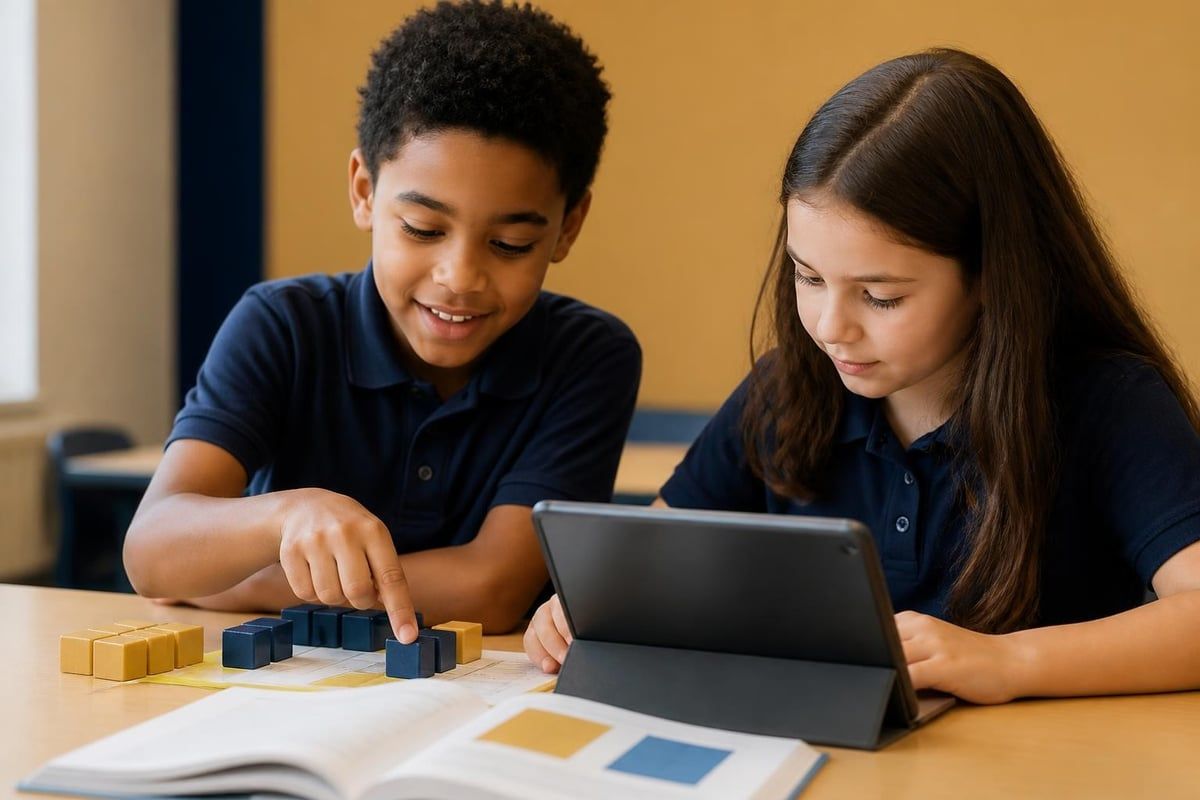
Teachers should organize physical resources strategically to maximize accessibility. Labeling systems, designated storage areas, and student-friendly retrieval protocols ensure materials support learning rather than create management challenges.
The digital revolution has expanded classroom resources for students exponentially, offering interactive experiences that adapt to individual learning needs. Online platforms provide instant access to vast content libraries, collaborative workspaces, and assessment tools that provide real-time feedback.
Discovery Education provides free, high-quality classroom resources including virtual field trips and customizable learning experiences that bring subjects to life. These platforms eliminate geographical and financial barriers to enrichment opportunities.
| Platform Type |
Primary Function |
Key Benefits |
| Learning Management Systems |
Content delivery and tracking |
Centralized organization, progress monitoring |
| Interactive Simulations |
Experiential learning |
Safe experimentation, concept visualization |
| Collaborative Tools |
Group work and communication |
Real-time collaboration, peer learning |
| Assessment Platforms |
Testing and feedback |
Immediate results, data analytics |
Digital literacy has become as crucial as traditional literacy. Students need classroom resources that develop their ability to navigate online environments responsibly and effectively.
Educators should evaluate digital resources using specific criteria:
- Alignment with learning objectives and curriculum standards
- Age-appropriateness of content and interface design
- Accessibility features for diverse learners
- Privacy and data security compliance
- Technical requirements and reliability
ClassMate by World Book integrates AI support to enhance middle school students' reading comprehension, demonstrating how artificial intelligence can personalize learning experiences within curated content libraries.
Different disciplines require specialized classroom resources for students that address unique content demands and skill development pathways.
Science, technology, engineering, and mathematics education relies heavily on interactive tools that make abstract concepts tangible.
Nextech provides free classroom tools and lesson plans in computer science, AI, and data science, preparing students for technology-driven careers.
Laboratory simulations allow students to conduct experiments virtually, eliminating safety concerns while providing unlimited repetition. Coding platforms introduce computational thinking through game-based learning that maintains engagement while building critical skills.
Reading and writing instruction benefits from resources that provide scaffolded support and personalized feedback.
Quill.org offers free literacy activities with AI-powered writing prompts that develop comprehension, composition, and language mechanics.
Differentiated reading materials at various lexile levels ensure all students access grade-level content while working within their instructional range. Audiobooks and text-to-speech features support struggling readers without reducing content complexity.
Documentary films, podcasts, and digital archives provide multiple perspectives on historical events and social issues, developing critical thinking and media literacy skills simultaneously.
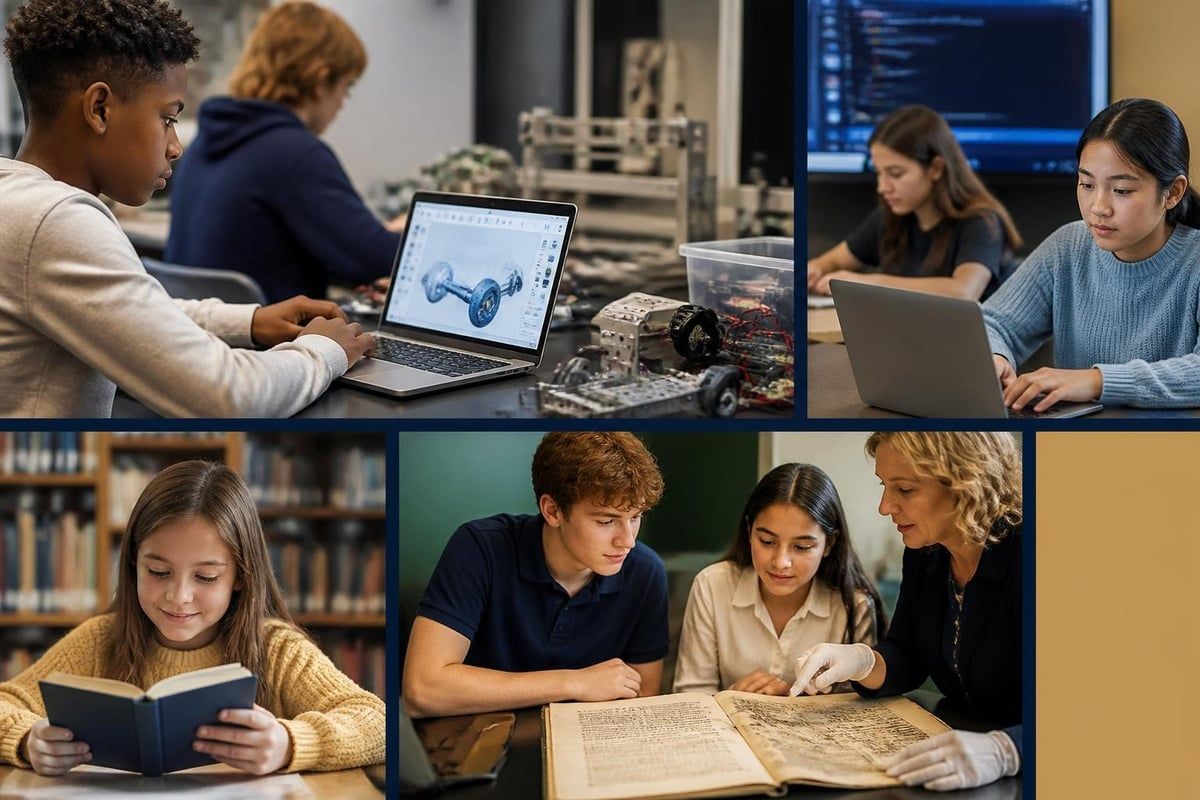
Artificial intelligence is transforming classroom resources for students by enabling unprecedented personalization and immediate feedback. Understanding the characteristics of an educator in the AI era requires familiarity with these emerging tools.
AI-driven systems analyze student responses in real-time, adjusting difficulty levels and content presentation to match individual needs. These platforms identify knowledge gaps and provide targeted practice that accelerates mastery.
Key features of adaptive learning systems:
- Real-time performance analysis
- Personalized learning pathways
- Predictive analytics for intervention
- Automated progress reporting
- Mastery-based progression
Virtual tutors provide one-on-one support that supplements classroom instruction. These systems answer student questions, provide hints without giving away answers, and explain concepts using multiple approaches until comprehension occurs.
The
AI Literacy Certification for Educators program teaches teachers to leverage these tools effectively, covering prompt engineering and responsible AI use in educational settings. Educators who understand AI capabilities can better select and implement classroom resources for students that enhance rather than replace human instruction.
Automated grading systems handle routine assessment tasks, freeing educators to focus on higher-order evaluation and personalized feedback. Natural language processing analyzes written responses, identifying patterns in student thinking that inform instructional decisions.
| Assessment Type |
AI Capability |
Educator Value |
| Multiple Choice |
Instant scoring and analytics |
Immediate data for grouping |
| Short Answer |
Pattern recognition and flagging |
Focus on complex responses |
| Essay Writing |
Grammar, structure, plagiarism detection |
More time for content feedback |
| Problem-Solving |
Solution path analysis |
Insight into student reasoning |
Inclusive classroom resources for students ensure all learners can access content regardless of physical, cognitive, or linguistic differences. Universal Design for Learning (UDL) principles guide resource selection and implementation.
Screen readers, speech-to-text software, and alternative input devices remove barriers for students with disabilities. Closed captioning benefits both hearing-impaired students and English language learners.
Digital resources offer flexibility that physical materials cannot match. Text can be enlarged, backgrounds adjusted, and content presented through multiple modalities simultaneously.
Translation tools and bilingual resources support students developing English proficiency while maintaining academic progress. Visual supports and graphic organizers help bridge language gaps across all subjects.
Research on classroom seating arrangements demonstrates how physical environment optimization affects student engagement, reminding educators that spatial considerations complement technological resources.
Even the best classroom resources for students lose effectiveness without proper organization and management systems. Strategic planning ensures materials support rather than overwhelm instruction.
Cloud-based storage with intuitive folder structures makes resources discoverable and shareable. Tagging systems and search functionality help educators locate specific materials quickly.
- Create standardized naming conventions for all digital files
- Establish folder hierarchies by subject, unit, and resource type
- Implement version control to track updates and revisions
- Share collaborative folders with teaching teams
- Regular audits to remove outdated materials
Strategic placement of materials reduces transition time and behavior disruptions. Student-accessible storage promotes independence and responsibility.
Clear labeling with words and pictures accommodates diverse reading levels. Rotating resources based on current instructional units keeps spaces organized and focused.
Educators require ongoing training to evaluate and implement classroom resources for students effectively. Understanding foundations of education provides context for resource selection aligned with pedagogical principles.
Not all resources claiming educational value deliver meaningful learning outcomes. Critical evaluation prevents wasted time and student frustration.
Essential questions for resource evaluation:
- Does this align with specific learning objectives?
- What evidence supports claimed effectiveness?
- How does this accommodate diverse learners?
- What training do I need for effective implementation?
- Is this sustainable given time and budget constraints?
Professional learning communities amplify individual educators' resource discovery efforts. Shared repositories with peer reviews help teachers identify high-quality materials efficiently.
Specialized education resource classrooms demonstrate how targeted resource allocation supports specific student populations, principles applicable across educational settings.

Financial constraints challenge many educators seeking quality classroom resources for students. Strategic approaches maximize limited funding while maintaining instructional excellence.
Numerous organizations provide high-quality materials at no cost. Open Educational Resources (OER) offer customizable content under creative commons licenses.
Government agencies, nonprofits, and educational foundations maintain extensive libraries of vetted resources. The key lies in knowing where to look and how to evaluate quality.
Local businesses, educational foundations, and government programs fund resource acquisition for qualifying projects. Well-written proposals demonstrating clear learning outcomes and implementation plans increase success rates.
| Funding Source |
Typical Amount |
Application Complexity |
Best For |
| Local Grants |
$500-$5,000 |
Low-Medium |
Specific classroom needs
|
| Foundation Grants |
$5,000-$50,000 |
Medium-High |
Program development |
| Corporate Partnerships |
Varies |
Medium |
Technology and STEM |
| Government Programs |
$10,000+ |
High |
Schoolwide initiatives |
Durable materials and sustainable digital subscriptions provide better long-term value than disposable resources requiring constant replacement. Maintenance plans extend the useful life of physical resources.
Digital resources eliminate ongoing printing costs while providing instant updates. Balancing initial investment against total cost of ownership guides smart purchasing decisions.
Acquiring classroom resources for students represents only the first step. Effective implementation determines whether materials enhance or complicate instruction.
Introducing too many new resources simultaneously overwhelms both teachers and students. Staged implementation allows mastery of each tool before adding complexity.
Start with one high-impact resource per quarter. Develop comfort and expertise before expanding your toolkit. This approach prevents resource abandonment and maximizes return on investment.
Students need explicit instruction in resource use. Clear expectations, modeled procedures, and practice opportunities build independence that reduces teacher management burden.
Creating student experts who help peers troubleshoot problems develops leadership while distributing support responsibilities. Classroom jobs related to resource management build community and responsibility.
Regular evaluation of resource effectiveness informs retention and replacement decisions. Student feedback, learning outcome data, and efficiency metrics all provide valuable insights.
Not every resource will work for every classroom. Permission to abandon ineffective tools prevents sunk cost fallacy from driving poor instructional decisions.
Extending classroom resources for students into home environments reinforces learning and builds school-family partnerships. Accessible, parent-friendly materials support students beyond school hours.
Physical and digital resources that families can use together extend learning time and involve parents in educational processes. Clear instructions and minimal technical requirements increase utilization rates.
Libraries of books, learning games, and activity kits available for checkout provide enrichment opportunities regardless of family income levels. Digital resource guides help parents navigate online tools safely and effectively.
Dedicated channels for sharing resources and learning updates keep families informed and engaged. Regular communication about available tools helps parents support homework and reinforce classroom learning.
Video tutorials demonstrating resource use eliminate barriers for families unfamiliar with educational technology. Multilingual support ensures all families can access information regardless of primary language.
Selecting and implementing effective classroom resources for students requires strategic thinking about pedagogy, accessibility, sustainability, and integration. The most successful educators curate diverse toolkits combining traditional materials with innovative digital solutions, always keeping learning outcomes as the primary selection criterion. As artificial intelligence continues reshaping education, teachers who understand how to leverage emerging technologies while maintaining human-centered instruction will best serve their students. Hadary Institute prepares educators for this future through professional certification in AI literacy, teaching practical skills for lesson planning, assessment, and ethical technology integration that transform classroom resources into powerful learning accelerators.