The availability of quality free lesson materials has expanded exponentially over the past decade. Educational institutions, nonprofit organizations, and collaborative teacher networks have created comprehensive repositories that serve millions of educators worldwide.
Open Educational Resources (OER) represent a fundamental shift in how teaching materials are created and distributed. Unlike traditional textbooks and curriculum packages, these resources operate under licenses that permit free use, adaptation, and redistribution. This flexibility allows educators to customize content for their specific student populations and learning objectives.
Several major initiatives have transformed access to educational content.
OpenStax, managed by Rice University, provides peer-reviewed textbooks across multiple subjects, ensuring students receive quality materials regardless of economic circumstances. Similarly, platforms like
Share My Lesson host over 300,000 teacher-created resources spanning all grade levels and disciplines.

Many educators initially question whether a free lesson can match the rigor of commercial materials. The answer increasingly points to yes, particularly as institutional backing has strengthened quality control processes.
| Quality Indicator |
What to Look For |
Why It Matters |
| Peer Review |
Multiple educator evaluations |
Ensures content accuracy and pedagogical soundness |
| Standards Alignment |
Clear connections to learning objectives |
Facilitates curriculum integration |
| Evidence of Use |
User ratings and feedback |
Demonstrates real-world effectiveness |
| Regular Updates |
Recent revision dates |
Maintains relevance and currency |
| Accessibility Features |
Universal design elements |
Supports diverse learner needs |
The
Computing + X Educator Hub exemplifies this commitment to quality, offering over 378 peer-reviewed lesson plans that integrate computing concepts across traditional subjects. Each resource undergoes evaluation against multiple educational standards, ensuring alignment with state and national requirements.
Finding appropriate materials requires strategic searching and clear understanding of your instructional goals. The abundance of options can feel overwhelming without a systematic approach.
Begin by identifying your specific needs.
Define the learning objectives, grade level, subject area, and any special considerations such as language requirements or accessibility needs. This clarity focuses your search and reduces time spent reviewing unsuitable materials.
University libraries have become unexpected treasure troves for free lesson materials.
Clemson Libraries' Open Educational Resources provides access to over 1,000 vetted resources, while
Rutgers University Libraries offers comprehensive guides to open and affordable educational materials. These curated collections save hours of searching by pre-screening resources for quality and relevance.
Subject-specific repositories often provide more targeted results than general education sites. For technology integration,
IEEE REACH offers inquiry-based lesson plans connecting history of technology to modern curricula, encouraging critical thinking through historical analysis.
Professional networks and educator communities serve as valuable discovery channels. Colleagues who teach similar grade levels or subjects often share tested materials that have proven effective in real classrooms. Building these connections through social media groups, professional organizations, or local teacher networks amplifies your access to quality resources.
Rarely does any lesson-free or purchased-perfectly fit your classroom without modification. The true value of a free lesson often emerges through thoughtful adaptation that aligns with your teaching style and student needs.
Contextual relevance transforms generic content into engaging learning experiences. Replace unfamiliar examples with references your students understand. Adjust reading levels to match current abilities while maintaining conceptual complexity. Incorporate local issues, current events, or student interests to increase motivation and connection.
Consider these adaptation approaches:
- Differentiation: Create multiple versions at varying difficulty levels
- Extension activities: Add challenges for advanced learners
- Scaffolding: Build in additional support structures for struggling students
- Technology integration: Enhance traditional materials with digital tools
- Cultural responsiveness: Adjust examples and perspectives to reflect your classroom diversity
The
Library Media Center at Summit Lakes Middle School curates resources from institutions like the Smithsonian Learning Lab and National Archives, which provide rich primary sources for customization. These authentic materials allow educators to build lessons around genuine historical documents, scientific data, or cultural artifacts.
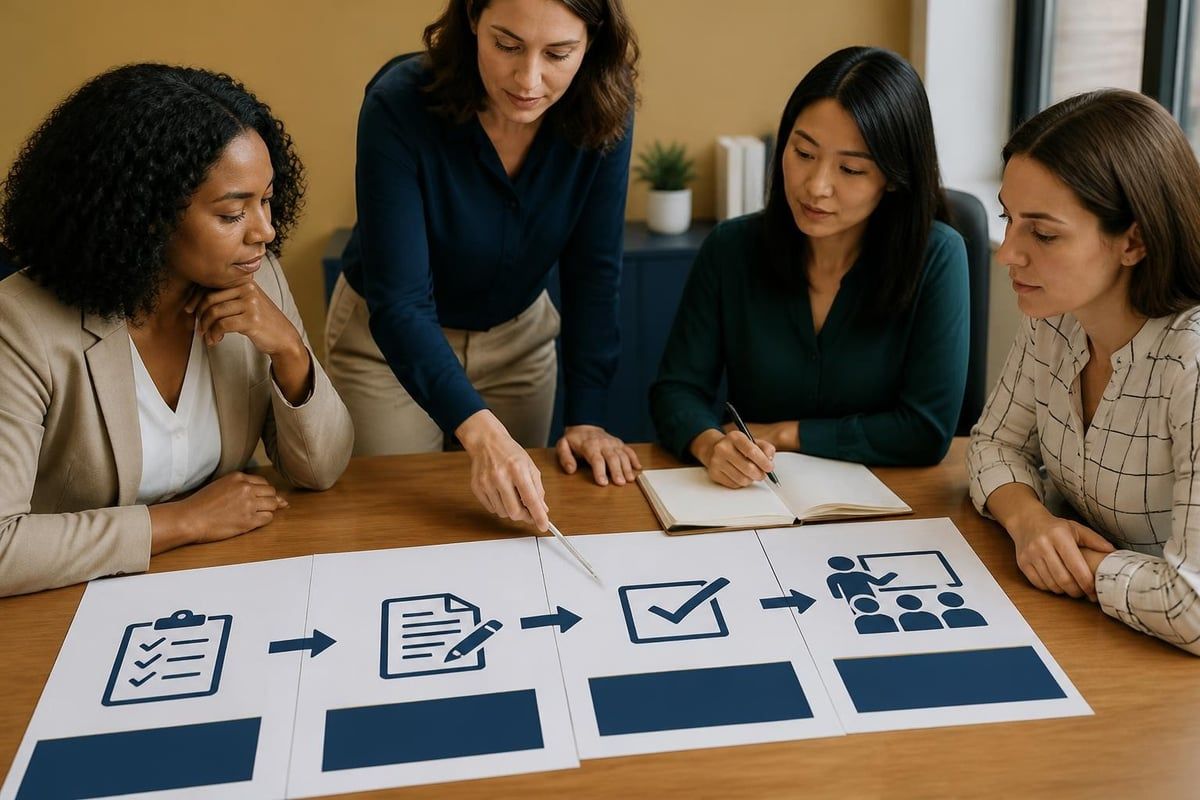
Modern AI tools can analyze learning objectives and recommend relevant free resources from multiple repositories simultaneously. Instead of manually searching dozens of websites, educators input their requirements and receive curated suggestions aligned to specific standards.
Customization becomes exponentially faster with AI assistance. A quality free lesson might require reading level adjustments, vocabulary modifications, or format changes to suit your classroom. AI writing tools can rewrite passages at different complexity levels while maintaining core concepts. They can generate additional practice problems matching the original lesson's style, create formative assessment questions, or develop extension activities for gifted students.
The ability to quickly adapt materials means educators spend less time recreating content and more time on instructional planning and student interaction.
Hadary Institute recognizes this shift, preparing educators to leverage AI capabilities responsibly and effectively in their teaching practice.
For educators seeking to develop these capabilities systematically, the
AI Literacy Certification for Educators provides comprehensive training across lesson planning, prompt engineering, and ethical classroom practice. This structured approach ensures teachers gain confidence using AI tools while maintaining pedagogical integrity and responsible implementation practices.
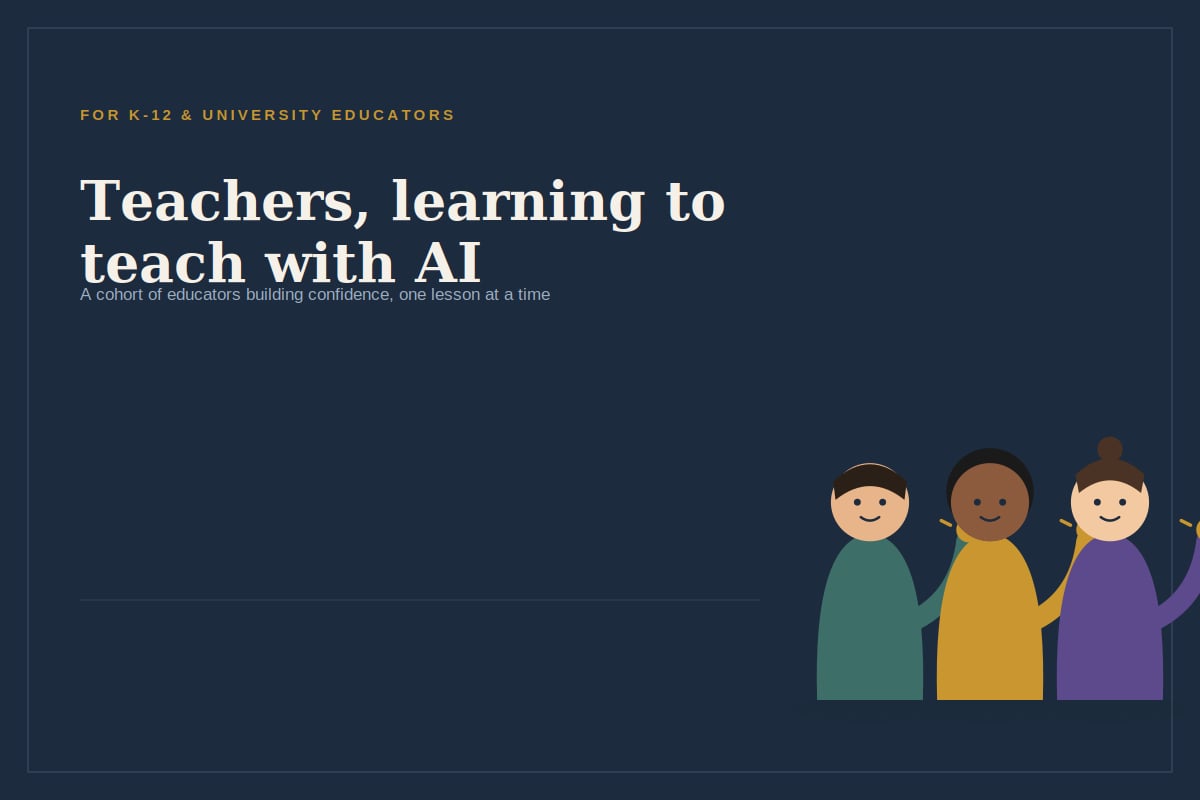
Using AI with free lesson content requires attention to licensing terms and attribution requirements. Most open educational resources operate under Creative Commons or similar licenses specifying how materials may be used and modified. AI-assisted adaptations must respect these terms, maintaining proper attribution even when content is substantially revised.
Transparency with students and colleagues about AI use in lesson development builds trust and models digital literacy. Educators should document which portions of a free lesson were AI-modified and maintain records of original sources.
Strategic organization transforms occasional free lesson discoveries into a sustainable teaching asset. Effective systems reduce redundant searching and enable quick access when planning units or responding to emerging student needs.
Create a digital filing system that mirrors your curriculum structure. Organize by:
- Subject and grade level as primary categories
- Unit or topic as secondary groupings
- Resource type (lesson plan, activity, assessment, etc.)
- Implementation status (tested, modified, planned)
Tag resources with searchable metadata including standards addressed, required materials, estimated time, and student grouping arrangements. This detail enables filtering when searching for materials meeting multiple criteria simultaneously.
Cloud storage solutions facilitate access across devices and locations. Whether using Google Drive, OneDrive, or specialized education platforms, ensure your free lesson collection remains available during planning periods, in the classroom, and at home.
Not every free lesson performs as expected in real classrooms. Maintain notes about implementation results, student engagement levels, and necessary modifications. This feedback loop refines your collection over time, helping you identify which resources consistently deliver strong outcomes.
| Implementation Phase |
Documentation Focus |
Future Benefit |
| Pre-teaching |
Required prep time and materials |
Realistic planning for reuse |
| During lesson |
Student engagement and understanding |
Identifies necessary modifications |
| Post-assessment |
Learning outcome achievement |
Validates resource effectiveness |
| Reflection |
What worked and what didn't |
Guides similar resource selection |
Regular curation prevents digital clutter. Review your collection annually, removing outdated materials and updating resources that have newer versions available.
The most robust free lesson ecosystems thrive on reciprocal sharing. Teachers who benefit from openly licensed materials contribute back through feedback, modifications, or original creations.
Your classroom-tested adaptations hold significant value for other educators. After successfully implementing and modifying a free lesson, consider uploading your version to the original repository or a sharing platform. Include implementation notes highlighting what worked particularly well and any challenges encountered.
Albany State University's OER guide provides frameworks for creating and sharing openly licensed materials. Understanding these processes ensures your contributions remain accessible and properly attributed.
Professional learning communities amplify the impact of individual free lesson discoveries. Regular sharing sessions where teachers present recently found or adapted resources introduce colleagues to materials they might never encounter through individual searching. These discussions often reveal creative implementation strategies that enhance resource effectiveness.
When using a free lesson from any repository, provide constructive feedback to creators and platform administrators. Rate resources honestly, noting specific strengths and areas for improvement. Detailed comments help other educators make informed decisions and give creators actionable information for revisions.
Bug reports and error corrections maintain resource quality across the entire ecosystem. If you discover factual errors, broken links, or outdated information, alert the appropriate contacts. This communal maintenance keeps free lesson collections reliable and current.
Even high-quality free resources present obstacles that require problem-solving and persistence. Anticipating these challenges enables proactive solutions rather than reactive abandonment of otherwise valuable materials.
Some free lesson materials require specific software, subscriptions, or equipment that may not be immediately available. Before committing to a resource during lesson planning, verify technical requirements against your school's capabilities.
Create workarounds when possible. If a free lesson relies on specialized software, investigate whether free alternatives exist that accomplish similar objectives. Many premium tools offer educational discounts or limited free tiers suitable for classroom use.
Access challenges extend beyond technology. Copyright restrictions occasionally limit how freely "free" resources can be used. Read licensing terms carefully, particularly regarding modifications, redistribution, and commercial use. Most true open educational resources permit broad usage, but some free materials carry restrictive licenses limiting their flexibility.
A free lesson might address relevant content but miss specific local standards or assessment requirements. Rather than discarding partially aligned resources, identify the gaps and build supplementary components.
- Pre-assessment: Activate prior knowledge before the free lesson
- Bridge activities: Connect resource content to required standards
- Extension tasks: Address standards not covered in the original material
- Modified assessments: Align evaluation with local requirements
Combining elements from multiple free resources often produces stronger lessons than any single source provides. Extract the most effective components from several materials, creating a customized sequence that addresses all necessary objectives.
Effectively utilizing free lesson resources requires ongoing skill development. Educational technology, pedagogical approaches, and subject matter knowledge all evolve, demanding continuous learning to maximize resource value.
Critical evaluation capabilities separate effective resource use from indiscriminate collection. Professional development focused on curriculum analysis helps educators quickly assess whether a free lesson merits adaptation for their classroom.
Training in lesson design principles enables more effective customization. Understanding backward design, differentiation strategies, and assessment alignment allows teachers to strengthen free resources rather than merely accepting them as-is. The
blog at Hadary Institute regularly publishes insights on effective curriculum development and resource evaluation.
Technology literacy directly impacts free resource utility. As more materials incorporate digital elements, comfort with various platforms and tools becomes essential. Educators confident in technology integration can more easily adapt free lessons to include multimedia, interactive elements, or online collaboration components.
Educational resource repositories continuously add and update content. Establishing routines for exploring new additions ensures you benefit from the latest developments. Subscribe to newsletters from preferred platforms, join educator communities focused on open resources, or schedule monthly browsing sessions to discover recent uploads.
Professional conferences and webinars often feature sessions on open educational resources and free lesson utilization. These learning opportunities introduce new platforms, share implementation strategies, and connect educators building similar resource collections.
Free lesson resources have fundamentally changed how educators access quality instructional materials, democratizing curriculum development across budget levels and geographic boundaries. Success with these materials requires strategic searching, thoughtful adaptation, and continuous refinement based on classroom results. Hadary Institute equips educators with the AI literacy and practical skills needed to maximize these resources, transforming free materials into personalized, effective learning experiences that meet diverse student needs in modern classrooms.