Modern classrooms increasingly rely on sophisticated digital infrastructure that extends far beyond basic internet connectivity. Cloud-based learning management systems now serve as central hubs where curriculum materials, assignments, assessments, and communication converge in unified platforms accessible from any device.
Key infrastructure components include:
- High-speed wireless networks supporting simultaneous device connections
- Cloud storage solutions enabling seamless content sharing
- Interactive displays replacing traditional whiteboards
- Student response systems providing real-time engagement data
- Cybersecurity measures protecting sensitive educational information
The shift toward digital-first environments creates opportunities for educators to track student progress with unprecedented granularity. Learning analytics platforms process thousands of data points to identify struggling students before traditional assessment methods would reveal challenges. According to research on digital responsibility and student-led learning, this data-driven approach enables proactive interventions tailored to individual needs.
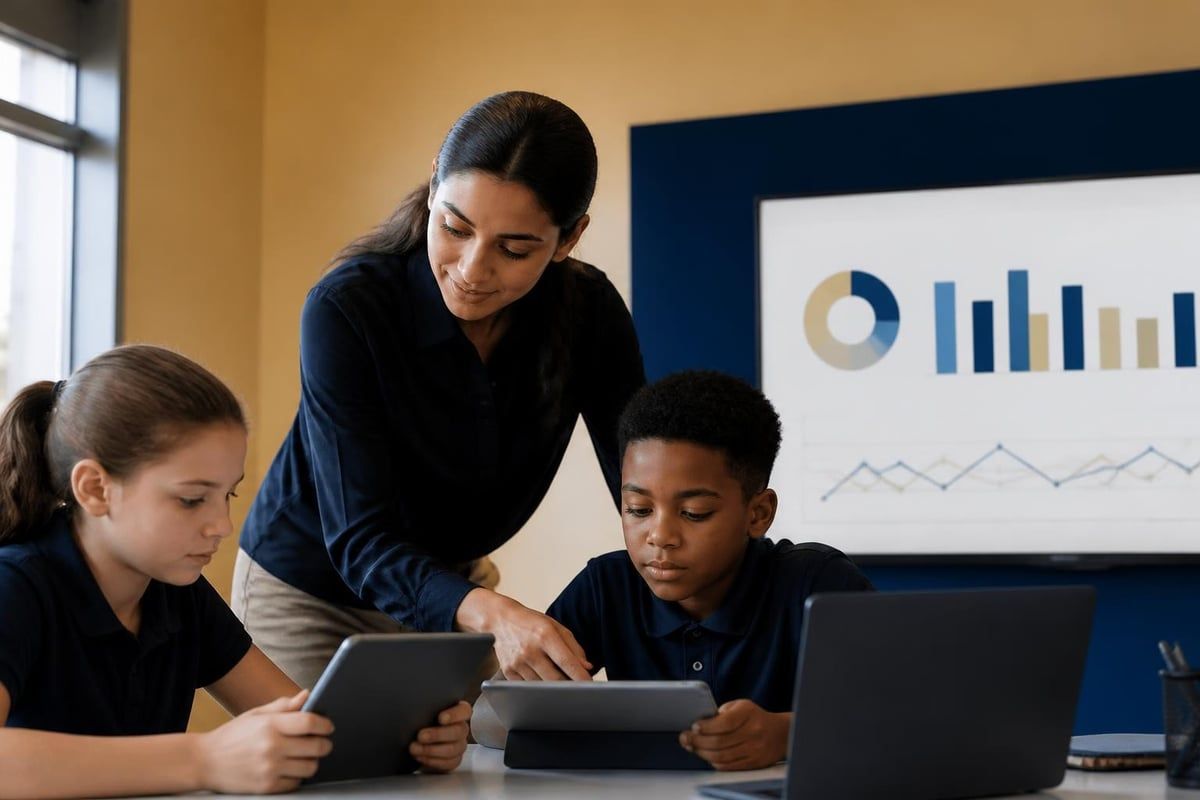
Physical classroom layouts themselves are transforming to accommodate these technological shifts. Flexible furniture arrangements support collaborative work sessions, while designated quiet zones provide space for focused individual study. The future classroom concept emphasizes adaptability, with modular designs allowing teachers to reconfigure spaces based on pedagogical objectives for each lesson.
Implementing advanced classroom technology demands robust network infrastructure capable of handling bandwidth-intensive applications. Virtual reality educational experiences, video conferencing with global classrooms, and simultaneous cloud-based collaboration require networks delivering consistent, high-speed connectivity.
However, infrastructure investment alone doesn't guarantee equitable access. The future of the classroom must address persistent digital divides affecting students from lower-income households who may lack reliable internet access or appropriate devices for home learning. Schools increasingly adopt device lending programs and community Wi-Fi initiatives to bridge these gaps.
| Infrastructure Component |
Traditional Classroom |
Future Classroom |
| Internet Speed |
10-25 Mbps |
100+ Mbps |
| Devices per Student |
Shared computer lab |
1:1 device ratio |
| Display Technology |
Static whiteboard |
Interactive touchscreen |
| Content Access |
Physical textbooks |
Cloud-based digital resources |
| Data Collection |
Periodic tests |
Continuous analytics |
Artificial intelligence stands as perhaps the most transformative force reshaping the future of the classroom. Rather than replacing teachers, AI functions as a powerful assistant that handles routine tasks, provides personalized learning pathways, and offers insights impossible to generate manually.
AI-powered tutoring systems adapt to individual student learning speeds and styles. When a student struggles with a particular concept, these systems automatically adjust difficulty levels, provide additional examples, and suggest alternative explanations. Researchers exploring generative AI in education have demonstrated how instructors can create highly personalized learning experiences using AI-based exercises tailored to each student's current understanding.
The technology also revolutionizes assessment practices. AI grading assistants provide immediate feedback on written assignments, highlighting areas for improvement while maintaining consistency across large student populations. This rapid turnaround enables students to iterate and improve work while concepts remain fresh, accelerating the learning cycle.
AI applications transforming classroom practice:
- Automated administrative tasks freeing teacher time for instruction
- Predictive analytics identifying students at risk of falling behind
- Content generation creating customized practice problems and examples
- Language translation supporting multilingual classrooms
- Accessibility features converting content for students with disabilities
For educators looking to develop competency in these emerging tools, structured professional development becomes essential. The
AI Literacy Certification for Educators provides practical training in prompt engineering, lesson planning with AI assistance, and responsible implementation strategies across 25 hands-on lessons designed specifically for classroom contexts.
The integration of AI into educational settings raises important ethical questions requiring careful consideration. Student data privacy remains paramount as AI systems collect increasingly detailed information about learning patterns, social interactions, and behavioral tendencies.
Educators must maintain critical oversight of AI recommendations and outputs. While these systems excel at pattern recognition and data processing, they lack the contextual understanding and emotional intelligence essential to supporting whole-child development. The future of the classroom requires teachers skilled in leveraging AI capabilities while applying professional judgment about when human intervention proves necessary.
Bias in AI training data poses another challenge. Systems trained on historically biased datasets may perpetuate educational inequities rather than alleviating them. Regular audits and diverse development teams help identify and correct these issues before they impact student outcomes.
Traditional education models often struggle to accommodate diverse learning needs within single classrooms. Students with advanced understanding sit through review sessions while struggling peers fall further behind. The future of the classroom addresses this challenge through technology-enabled personalized learning approaches.

Adaptive learning platforms assess current knowledge levels and create customized progression paths aligned with curriculum standards. Students advance upon demonstrating mastery rather than after arbitrary time periods, ensuring solid foundational understanding before moving to complex concepts.
This personalization extends beyond pacing to encompass content presentation styles. Visual learners access diagram-heavy explanations, while those who process information better through reading receive text-based materials covering identical concepts. Audio learners benefit from podcast-style content delivery integrated seamlessly into their learning paths.
Personalized learning environments require careful design to avoid overwhelming students with excessive choice. Research on active learning implementation suggests that structured autonomy, where students make decisions within defined parameters, produces better outcomes than completely unguided exploration.
Teachers in these environments transition from information deliverers to learning facilitators. They design challenging projects, curate high-quality resources, provide encouragement during difficult concepts, and foster metacognitive skills enabling students to direct their own learning effectively.
| Learning Approach |
Implementation Method |
Teacher Role |
Student Experience |
| Traditional |
Uniform pacing |
Content delivery |
Passive reception |
| Differentiated |
Grouped by ability |
Varied instruction |
Modified activities |
| Personalized |
Individual pathways |
Learning coach |
Self-directed progress |
| Mastery-based |
Competency checkpoints |
Standards monitor |
Advancement on mastery |
Geographic boundaries increasingly dissolve as virtual classroom technologies enable synchronous learning experiences connecting students across continents. The future of the classroom extends beyond physical walls to encompass distributed learning communities united by shared educational objectives.
Virtual reality platforms create immersive educational experiences impossible in traditional settings. Students explore ancient civilizations through photorealistic reconstructions, conduct chemistry experiments too dangerous for physical labs, and practice public speaking before simulated audiences that build confidence without real-world stakes.
Advanced virtual classroom features now include spatial audio creating realistic discussion dynamics, breakout rooms facilitating small group collaboration, and interactive whiteboards where students simultaneously contribute ideas visible to all participants.
Hybrid models combining in-person and remote participation offer flexibility particularly valuable for students with chronic health conditions, family responsibilities, or geographic isolation. These arrangements require thoughtful design to prevent two-tiered experiences where remote students feel disconnected from classroom community.
Implementing effective virtual classrooms demands more than simply broadcasting lectures online. Engagement strategies must compensate for reduced nonverbal communication cues and increased potential for distraction. Successful virtual educators employ frequent interaction prompts, collaborative activities, and multimedia presentations maintaining student attention.
Technical literacy requirements also increase for both teachers and students. Troubleshooting audio issues, managing screen sharing, and navigating platform features become prerequisite skills for participation. Professional development addressing these competencies proves essential for successful implementation.
The future of the classroom emphasizes collaborative skill development as workplace demands increasingly require teamwork, communication, and collective problem-solving abilities. Digital collaboration tools enable student groups to work together regardless of physical proximity, preparing them for professional environments where remote collaboration constitutes standard practice.
Modern collaboration technologies include:
- Real-time document co-editing platforms
- Project management tools tracking group task completion
- Video conferencing systems supporting face-to-face remote interaction
- Digital portfolios showcasing individual and group achievements
- Peer review platforms facilitating constructive feedback exchanges
These tools also provide educators with visibility into group dynamics that remain hidden in traditional classroom settings. Analytics reveal participation patterns, identify students dominating discussions or remaining disengaged, and highlight potential interpersonal conflicts requiring mediation.
Social-emotional learning integrates naturally into collaborative environments as students practice conflict resolution, perspective-taking, and inclusive decision-making. The foundations of education have always emphasized these skills, but technology-enhanced classrooms provide structured opportunities for development and assessment.
As students increasingly interact through digital mediums, explicit instruction in digital citizenship becomes critical. The future of the classroom must address online communication norms, digital footprint awareness, cyberbullying prevention, and responsible social media use.
These lessons extend beyond simple rule enforcement to develop critical thinking about information credibility, algorithmic bias, and the psychological impacts of constant connectivity. Students need frameworks for evaluating source reliability, recognizing manipulation techniques, and making intentional choices about technology use.
Traditional assessment models relying primarily on periodic high-stakes tests provide limited insight into learning processes. The future of the classroom employs continuous assessment approaches capturing student understanding throughout learning journeys rather than only at endpoints.
Formative assessment tools embedded within digital learning platforms provide real-time feedback as students work through problems. Immediate correction of misconceptions prevents reinforcement of incorrect understanding that impedes future learning. This rapid feedback loop accelerates skill acquisition compared to delayed assessment results.
Neurotechnology advances in smart classrooms even enable measurement of cognitive load and engagement levels, though implementation remains primarily experimental. These insights could eventually help educators optimize lesson pacing and identify when students need breaks or alternative approaches.
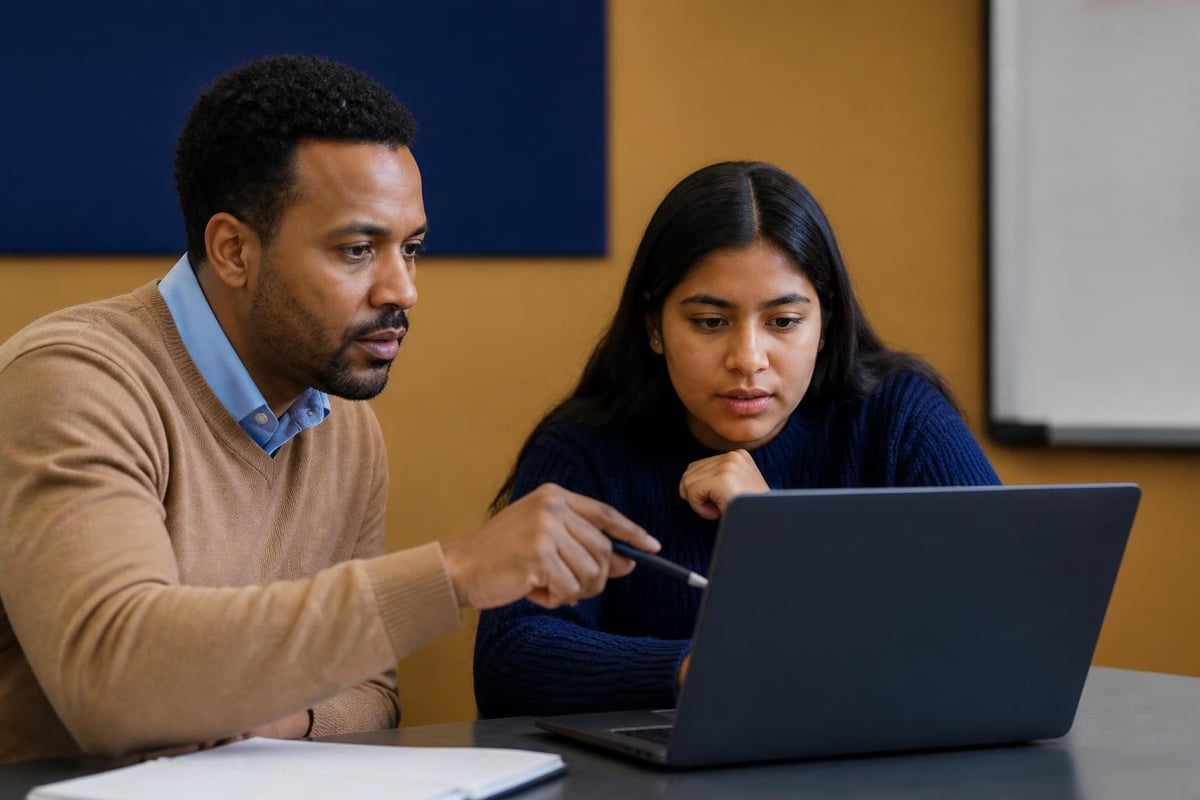
Portfolio-based assessment documents growth over time rather than measuring performance at single moments. Students curate work samples demonstrating skill progression, reflect on learning processes, and set goals for continued development. This approach emphasizes mastery and improvement over competitive ranking.
| Assessment Type |
Timing |
Purpose |
Feedback Speed |
| Diagnostic |
Pre-instruction |
Baseline measurement |
Immediate |
| Formative |
During learning |
Progress monitoring |
Real-time |
| Summative |
End of unit |
Mastery verification |
Delayed |
| Portfolio |
Continuous |
Growth documentation |
Ongoing reflection
|
Implementing the future of the classroom requires comprehensive professional development preparing educators for transformed roles. Technical training in new platforms represents only one component; pedagogical shifts demand equally significant attention.
Teachers need support developing skills in data interpretation, personalized learning design, AI tool evaluation, and virtual instruction techniques. Many current educators received training emphasizing direct instruction methods that translate poorly to technology-enhanced environments requiring facilitation and coaching abilities.
Characteristics of effective educators increasingly include technological fluency, adaptability to rapid change, and commitment to continuous learning as tools and best practices evolve. Professional learning communities where teachers share strategies and troubleshoot challenges together prove particularly valuable during transitions.
The expanding role also includes curriculum curation as vast digital content libraries replace traditional textbook adoptions. Teachers must evaluate resource quality, alignment with standards, accessibility features, and cultural responsiveness across hundreds of potential options for each topic.
Open-source educational AI projects, cloud-based platforms with flexible pricing, and collaborative development initiatives across institutions all contribute to broader access. The exploration of machine learning in K-12 education highlights opportunities for introducing these concepts early, preparing all students for AI-augmented futures.
Significant technological change understandably creates anxiety among educators comfortable with familiar practices. Successful transitions acknowledge these concerns while providing supportive environments for experimentation and gradual adoption.
Mentorship programs pairing technology-confident educators with those still developing skills create safe spaces for questions and practice. Administrative support including protected planning time, realistic implementation timelines, and recognition that initial attempts may not succeed perfectly all contribute to sustainable change.
Starting with small, manageable technology integrations rather than complete classroom overhauls prevents overwhelming teachers and students simultaneously. As confidence builds, more sophisticated implementations become feasible without inducing constant stress.
Perhaps the most crucial aspect of the future of the classroom involves developing transferable skills applicable to careers and challenges not yet imagined. Rapid technological advancement means today's students will encounter workplace tools and problems fundamentally different from current realities.
Critical thinking, creativity, communication, and collaboration form the foundation of future-ready education. These competencies remain valuable regardless of specific technological tools or industry developments. Technology-enhanced learning environments provide authentic contexts for developing these skills through complex projects requiring research, analysis, and solution design.
Metacognitive skills enabling students to direct their own learning prove equally essential. As knowledge becomes rapidly outdated, the ability to identify learning needs, locate reliable resources, evaluate information quality, and apply new understanding to novel situations determines long-term success more than mastery of specific content.
Entrepreneurial mindsets encouraging calculated risk-taking, iterative improvement, and resilience after setbacks prepare students for economies where traditional career paths give way to portfolio careers, gig work, and self-directed opportunities requiring initiative and adaptability.
The transformation reshaping educational environments represents both tremendous opportunity and significant challenge for educators worldwide. Success requires balancing technological innovation with timeless pedagogical principles while maintaining focus on whole-child development and equitable access. Hadary Institute equips educators with practical AI literacy skills essential for navigating this evolution, offering structured professional development in lesson planning, assessment design, and ethical implementation through certification programs specifically designed for classroom contexts.