
Special Education Resource Classroom: A Complete Guide
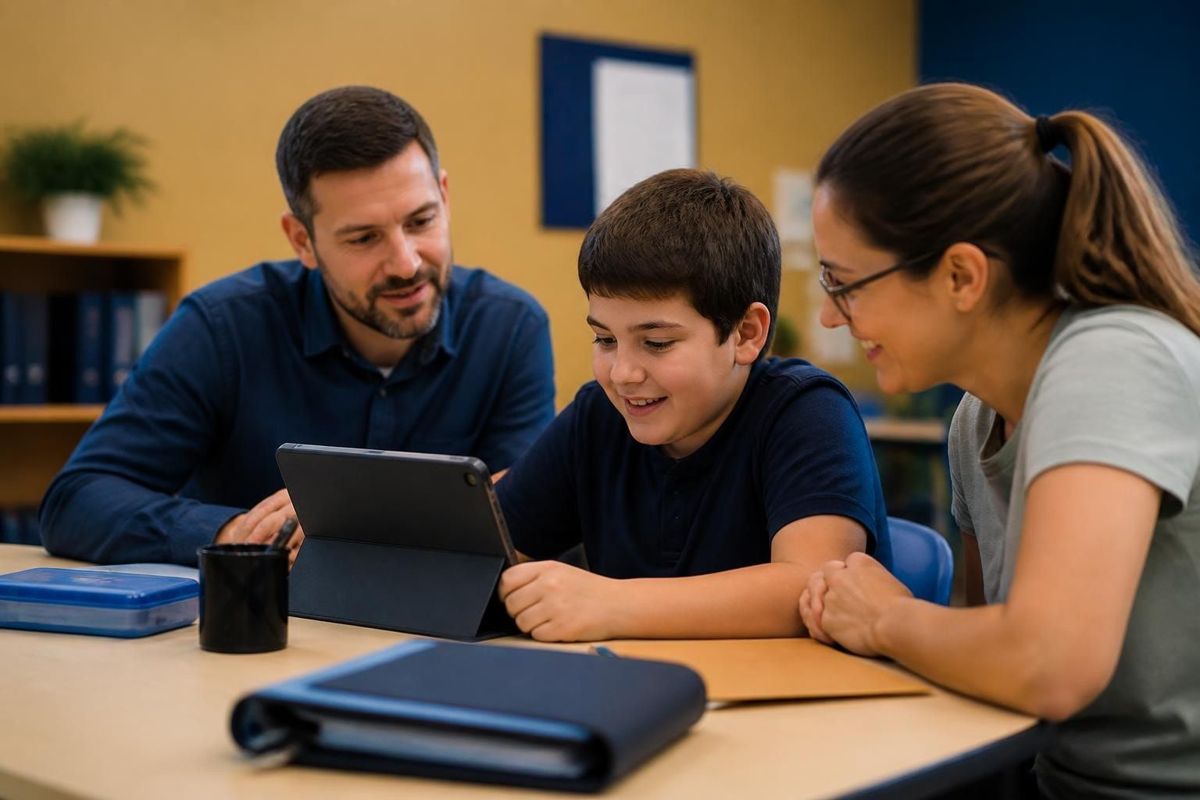
A special education resource classroom serves as a cornerstone of inclusive education, providing specialized instruction and support to students with disabilities while maintaining their connection to the general education environment. These classrooms operate on a pull-out or push-in model, where students receive targeted interventions designed to address their unique learning needs as outlined in their Individualized Education Programs (IEPs). As educational technology advances and AI transforms how we approach personalized learning, understanding the structure, benefits, and best practices of resource classrooms has never been more critical for educators committed to supporting every learner.
Understanding the Special Education Resource Classroom Model
The special education resource classroom represents a flexible educational setting where students spend part of their school day receiving specialized instruction. Unlike self-contained classrooms where students remain for the entire day, resource rooms allow students to participate in general education classes while receiving additional support for specific academic areas or skills.
This model recognizes that students with disabilities often excel in certain subjects while requiring intensive support in others. A student might attend general education classes for science and social studies but receive reading instruction in the resource room with a special education teacher trained in evidence-based interventions.
Key Components of Effective Resource Programs
Resource classrooms typically feature several essential elements that distinguish them from traditional learning environments:
- Small group instruction with student-to-teacher ratios often ranging from 3:1 to 8:1
- Individualized lesson plans aligned with each student's IEP goals and objectives
- Specialized instructional materials including manipulatives, assistive technology, and adapted texts
- Flexible scheduling that accommodates students' varying support needs throughout the day
- Progress monitoring systems that track student growth and inform instructional adjustments
The physical space itself requires thoughtful design. Many educators emphasize creating well-planned environments that minimize distractions while providing sensory supports and organizational systems that help students focus on learning tasks.
Instructional Strategies That Drive Student Success
Effective teaching in a special education resource classroom demands a diverse toolkit of evidence-based strategies. Teachers must be skilled diagnosticians, continually assessing student performance and adjusting instruction to meet evolving needs.
Differentiated Instruction and Universal Design
Differentiation goes beyond simply providing different worksheets. It encompasses multiple dimensions:
| Differentiation Type | Implementation Strategy | Example Application |
| Content | Varied text complexity levels | Providing same story at three reading levels |
| Process | Multiple paths to learning | Offering visual, auditory, and kinesthetic options |
| Product | Flexible demonstration methods | Allowing oral presentations instead of written reports |
| Environment | Adjustable workspace configurations | Quiet corners, collaborative tables, standing desks |
Teachers in resource settings frequently employ explicit instruction methods that break complex skills into manageable steps. This systematic approach includes modeling, guided practice, and independent application with frequent checks for understanding.
Technology Integration and AI-Enhanced Learning
Modern special education resource classrooms increasingly leverage technology to personalize instruction at scale. Adaptive learning platforms analyze student responses in real time, adjusting difficulty levels and providing immediate feedback that would be impossible for a teacher to deliver simultaneously to multiple students working on different skills.
AI-powered tools now assist special education teachers in several critical areas. Natural language processing helps generate reading passages at specific Lexile levels, while machine learning algorithms identify patterns in student errors that might escape human observation. These technologies don't replace teacher expertise but rather amplify it, allowing educators to focus on relationship-building and complex instructional decisions.
The AI Literacy Certification for Educators program helps special education teachers develop the competencies needed to ethically integrate these tools into their practice. The certification covers prompt engineering techniques specifically designed for creating differentiated materials and adaptive assessments that align with IEP goals.
Collaboration and Co-Teaching Models
No special education resource classroom operates in isolation. Success depends on robust collaboration among special education teachers, general education teachers, related service providers, administrators, and families.
Building Effective Communication Systems
Regular communication ensures consistency across educational settings. Many schools implement the following structures:
- Weekly planning meetings between resource and general education teachers
- Monthly IEP progress reviews with all team members
- Quarterly family conferences that celebrate growth and adjust goals
- Annual program evaluations assessing overall effectiveness
Digital platforms now streamline these communications, with shared documents allowing real-time updates to student goals, behavioral observations, and instructional modifications. However, the most effective teams balance technology with face-to-face interactions that build trust and shared ownership.
The Role of Paraprofessionals
Research on paraprofessional staffing patterns reveals the significant impact these team members have on instructional delivery. Effective resource classrooms clearly define paraprofessional roles, provide ongoing training, and ensure these valuable team members implement interventions with fidelity rather than serving merely as behavioral monitors.
Paraprofessionals often work one-on-one with students on specific tasks while the certified teacher circulates, conducts assessments, or leads small groups. This collaborative approach maximizes the expertise in the room while ensuring all students receive appropriate support.
Assessment and Progress Monitoring
The special education resource classroom thrives on data. Unlike general education settings where quarterly tests might suffice, resource programs require frequent, systematic progress monitoring to ensure interventions are working.
Types of Assessments Used
Effective resource programs employ multiple assessment types:
- Curriculum-based measurements administered weekly or bi-weekly to track basic skill acquisition
- Performance-based assessments that evaluate application of skills in authentic contexts
- Behavioral observations using systematic recording methods to track engagement and task completion
- Standardized assessments administered at designated intervals to measure growth against normed samples
Teachers must analyze these data streams efficiently. Many now use AI-assisted data analysis tools that generate visual progress reports, identify trends, and flag students who aren't responding to current interventions. This allows teachers to make timely adjustments rather than waiting weeks to discover an approach isn't working.
Aligning Assessment with IEP Goals
Every assessment administered in a special education resource classroom should connect to specific IEP goals. This alignment ensures that instructional time focuses on priority areas while providing the documentation required for annual IEP reviews.
Modern IEP management systems now integrate with assessment platforms, automatically populating progress reports and highlighting goals that require intervention adjustments. While these systems improve efficiency, educators must remember that data interpretation requires professional judgment about factors that numbers alone cannot capture.
Behavioral Support and Social-Emotional Learning
Academic instruction represents only one dimension of the special education resource classroom mission. Many students receiving resource services also benefit from explicit social-emotional instruction and behavioral supports.
Implementing Positive Behavioral Interventions
Studies examining activity schedules and on-task behavior demonstrate how environmental modifications and clear routines significantly improve student engagement. Effective resource classrooms incorporate these research-based practices:
Visual schedules that outline the day's activities help students anticipate transitions and reduce anxiety. Many teachers now create these schedules using tablet apps that students can customize and update themselves, building self-monitoring skills.
Token economy systems provide immediate reinforcement for desired behaviors while teaching delayed gratification. The key lies in gradually fading these external motivators as students develop intrinsic motivation.
Self-regulation strategies including deep breathing, movement breaks, and self-monitoring checklists help students manage their attention and emotional responses independently.
Teaching Social Skills Explicitly
Resource classrooms often serve as safe environments for practicing social skills before students apply them in less structured settings. Teachers use role-playing, social stories, and video modeling to teach everything from conversation skills to conflict resolution.
The Watson Institute provides classroom tools specifically designed for social-emotional learning in special education contexts. These resources address common challenges including sensory regulation, peer interaction, and emotional identification.
Physical Environment and Classroom Organization
The special education resource classroom environment communicates expectations and supports learning through thoughtful design. Effective classroom setup requires attention to multiple factors that general education environments might overlook.
Space Configuration Strategies
| Zone Type | Purpose | Key Features |
| Instruction Area | Direct teaching | Clear sightlines, minimal distractions, interactive whiteboard |
| Independent Work | Individual practice | Privacy shields, noise-canceling headphones, fidget tools |
| Sensory Corner | Regulation breaks | Soft lighting, calming materials, comfortable seating |
| Small Group Space | Collaborative learning | Round table, shared materials, peer interaction supports |
Flexible furniture allows quick reconfiguration based on daily activities. Many resource teachers use mobile whiteboards, adjustable-height tables, and modular storage to create dynamic learning spaces that adapt to student needs.
Organizational Systems That Promote Independence
Color-coded materials, labeled storage bins, and visual task lists help students locate resources and follow routines without constant teacher direction. These organizational supports build executive functioning skills while reducing cognitive load during instructional time.
Digital organization matters equally. Cloud-based file systems allow students to access modified materials across settings, while shared calendars help students track assignments and due dates across their various classes.
Professional Development and Teacher Competencies
Teaching in a special education resource classroom requires specialized knowledge that extends beyond general education preparation. Effective resource teachers continually develop their expertise through targeted professional learning.
Essential Skill Areas
Resource teachers must master several specialized domains:
- Diagnostic assessment to identify specific skill gaps and learning patterns
- Intervention design selecting and adapting evidence-based programs for individual students
- Assistive technology evaluating and implementing tools that support access and independence
- Behavioral analysis understanding function-based intervention and data collection methods
- Collaborative consultation partnering with general educators to support inclusion
Many districts now recognize that AI literacy represents an essential competency for modern special education teachers. Educators who understand how to leverage AI for differentiation, assessment generation, and data analysis can serve their students more effectively while managing the complex demands of resource teaching.
Best Practices From Experienced Educators
Research and practitioner experience have identified best practices for resource classrooms that consistently improve outcomes. These practices reflect both evidence-based interventions and wisdom gained through years of implementation.
Structuring the School Day
Successful resource programs carefully sequence the school day to optimize learning. Students typically receive resource support during times when they can best benefit from intensive instruction without missing preferred activities or critical general education content.
Morning sessions often focus on fundamental skills like reading and mathematics, when students are most alert and regulated. Afternoon resource time might address organizational skills, homework completion, or social-emotional learning.
Building Student Confidence and Self-Advocacy
The special education resource classroom should cultivate student strengths while addressing challenges. Effective teachers begin each session by highlighting growth, use error correction that preserves dignity, and explicitly teach students to articulate their learning needs.
Self-advocacy instruction prepares students to request accommodations, explain their disabilities to peers, and participate meaningfully in their IEP meetings. These skills prove invaluable as students transition to higher grades and eventually to postsecondary settings.
Measuring Program Effectiveness
Schools must evaluate whether their special education resource classroom programs achieve intended outcomes. This evaluation extends beyond individual student progress to examine systemic factors.
Key Performance Indicators
| Metric Category | Specific Indicators | Data Sources |
| Academic Growth | Reading level gains, math computation fluency | Standardized tests, CBM probes |
| Goal Attainment | Percentage of IEP goals met | Progress monitoring data |
| Inclusion Rates | Time in general education | Scheduling records |
| Behavioral Outcomes | Office referrals, suspension rates | Discipline data |
| Stakeholder Satisfaction | Teacher and parent feedback | Surveys, interviews |
Programs should review these data quarterly, using findings to refine scheduling, adjust staffing, and modify instructional approaches. The most effective programs involve teachers, administrators, and families in this continuous improvement process.
Technology's Role in Program Evaluation
Modern data systems now aggregate information from multiple sources, generating dashboards that help administrators identify trends and allocate resources strategically. AI-powered analytics can predict which students might need intervention intensity adjustments before they fall further behind.
However, quality special education programs remember that numbers tell only part of the story. Qualitative data from observations, student work samples, and narrative feedback provide essential context for understanding what's working and why.
Future Directions for Resource Education
The special education resource classroom continues evolving as research reveals new insights and technology opens fresh possibilities. Several trends are reshaping how these programs operate.
Personalized Learning at Scale
AI and adaptive platforms now enable true individualization beyond what human teachers could accomplish alone. Students can work on precisely targeted skills while receiving immediate feedback and encouragement, with the AI flagging moments when teacher intervention would be most beneficial.
These systems don't replace the teacher-student relationship that remains central to effective special education. Rather, they handle routine practice and immediate feedback, freeing teachers to focus on complex problem-solving, emotional support, and the human connections that motivate learning.
Increased Integration With General Education
Rather than viewing resource rooms as separate spaces, many schools are implementing co-teaching models where special education expertise comes to general education classrooms. This approach reduces stigma while ensuring specialized instruction occurs in contexts where students can immediately apply new skills.
Enhanced Family Partnership
Technology enables new forms of family engagement, with apps allowing parents to see what their children learned each day, practice skills at home using the same methods employed at school, and communicate seamlessly with teachers. These connections strengthen the home-school partnership essential for student progress.
Educators looking to expand their skills in these emerging areas can explore professional development opportunities that address both traditional special education competencies and modern technological tools transforming the field.
The special education resource classroom remains a vital component of comprehensive educational services, offering targeted support that enables students with disabilities to access grade-level content while building essential skills. As AI and adaptive technologies transform what's possible in personalized learning, educators must develop new competencies while preserving the relationship-centered, strengths-based approaches that have always defined excellent special education. Hadary Institute equips educators with practical AI skills for lesson planning, assessments, and ethical educational practices, preparing them to leverage these powerful tools while maintaining the human connections that make learning meaningful for every student.
Build these skills with AI
The AI Literacy Certification for Educators is a self-paced, CPD-accredited course with 25 practical lessons. Lesson 1.1 is free.
See the course