The teaching prac has evolved significantly over the past decade, moving beyond simple classroom observation to become a comprehensive, hands-on training experience. Today's practicum typically spans 8-16 weeks, during which pre-service teachers assume increasing responsibility for planning lessons, delivering instruction, assessing student progress, and managing classroom dynamics.
A successful teaching prac encompasses multiple interconnected elements that work together to build professional competence:
- Structured observation periods where trainees analyze experienced teachers' methods
- Gradual assumption of teaching responsibilities from individual lessons to full-day instruction
- Regular feedback sessions with mentor teachers and university supervisors
- Reflective practice documentation through journals, portfolios, and self-assessments
- Integration of technology tools including AI-assisted lesson planning and digital assessment platforms
These components create a scaffolded learning environment that supports gradual skill development while providing safety nets for inevitable mistakes and learning moments.

Research consistently identifies several obstacles that trainee teachers encounter during their practicum experience. Understanding these challenges helps both pre-service educators and their mentors prepare appropriate support systems.
One of the most frequently cited challenges involves establishing authority and maintaining productive learning environments. New teachers often struggle to balance being approachable with maintaining clear behavioral expectations.
| Challenge |
Common Manifestation |
Effective Strategy |
| Student engagement |
Off-task behavior, lack of participation |
Varied instructional methods, clear routines |
| Behavior management |
Disruptions, defiance |
Consistent consequences, positive reinforcement |
| Time management |
Rushed or incomplete lessons |
Detailed planning, buffer time |
| Differentiation |
Unable to meet diverse needs |
Flexible grouping, AI-assisted personalization
|
Creating effective lesson plans that align with curriculum standards while engaging diverse learners presents another significant hurdle. Many student teachers initially produce overly ambitious plans or struggle to estimate realistic timing for activities.
The planning process becomes particularly demanding when trying to incorporate modern educational technologies and AI tools without sacrificing pedagogical soundness. Educators face multiple dimensions of challenge when integrating new technologies into their teaching practice, requiring both technical proficiency and thoughtful pedagogical integration.
The integration of artificial intelligence into educational practice represents one of the most significant shifts in how teaching prac unfolds in 2026. These tools offer unprecedented support for lesson planning, assessment design, and personalized learning strategies.
Modern AI platforms can analyze curriculum standards, student learning profiles, and educational best practices to suggest lesson structures, activities, and assessment methods. However, successful implementation requires educators to maintain pedagogical judgment while using these tools as assistants rather than replacements.
Key applications include:
- Generating differentiated activity options for mixed-ability classrooms
- Creating formative assessment questions aligned with learning objectives
- Suggesting evidence-based instructional strategies for specific content areas
- Providing immediate feedback on lesson plan coherence and alignment
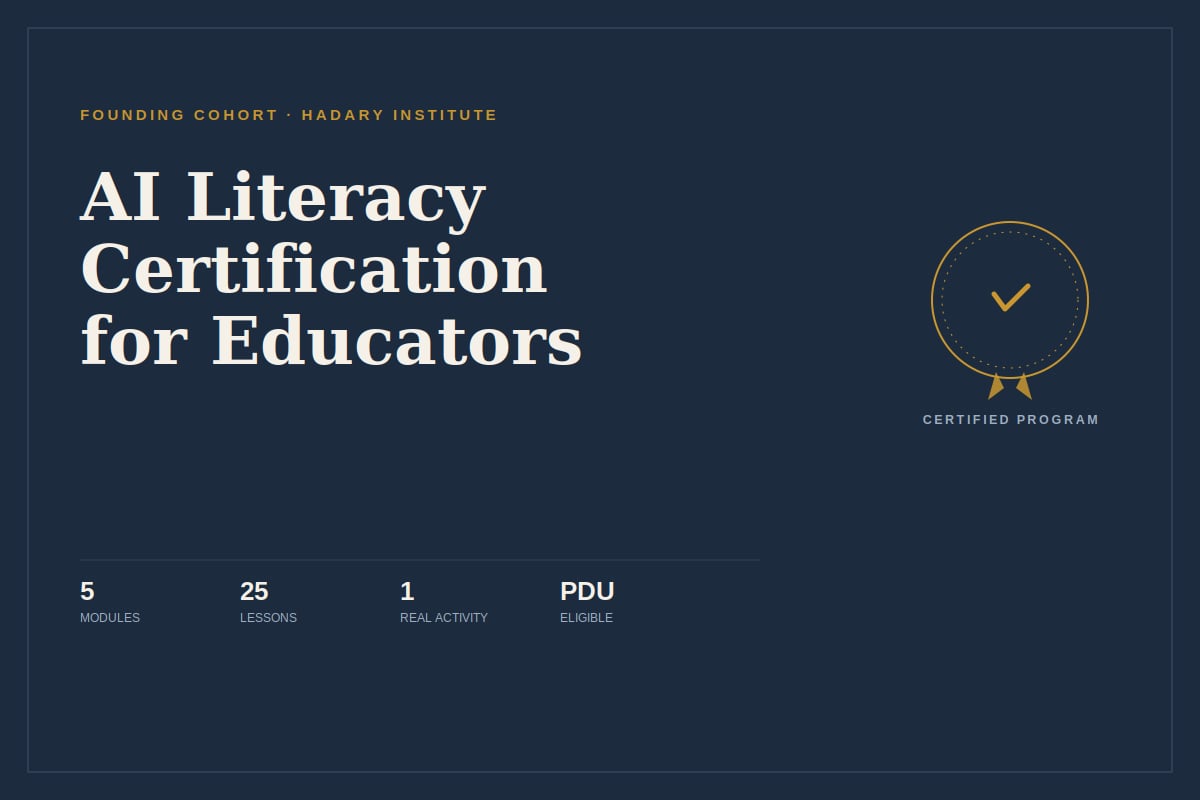
For educators looking to build confidence with AI-assisted teaching methods, the
AI Literacy Certification for Educators offers practical training in prompt engineering, responsible AI use, and classroom application strategies through 25 hands-on lessons designed specifically for educational contexts.
While AI tools provide valuable support during teaching prac, educators must maintain awareness of ethical implications including data privacy, algorithmic bias, and the importance of human judgment in educational decisions.
Excelling during your teaching practicum requires intentional preparation, adaptive thinking, and commitment to continuous improvement. The following evidence-based strategies help maximize this critical learning period.
Your cooperating teacher serves as your primary guide during teaching prac. Establishing open communication, demonstrating receptiveness to feedback, and showing initiative in professional growth creates a foundation for meaningful mentorship.
- Schedule regular check-in meetings beyond required observations
- Prepare specific questions about instructional decisions and classroom management
- Request permission to observe during planning periods and parent conferences
- Share your goals and concerns honestly to receive targeted support
- Express gratitude for time and guidance provided
Reflection transforms experience into professional learning. Research on teaching practicum challenges highlights how systematic reflection helps pre-service teachers identify growth areas and develop adaptive expertise.
Effective reflection questions:
- What evidence shows that students achieved the learning objectives?
- Which instructional decisions enhanced or hindered student engagement?
- How did classroom management strategies support or disrupt learning flow?
- What would you modify if teaching this lesson again?
- How did you adapt instruction based on student responses?

Assessment represents both a critical teaching skill and a frequent source of anxiety during teaching prac. Creating valid assessments, providing meaningful feedback, and using data to inform instruction requires practice and refinement.
Effective formative assessment techniques for student teachers:
| Technique |
Implementation |
AI Enhancement Opportunity |
| Exit tickets |
3-5 minute end-of-lesson reflection |
AI analysis of response patterns |
| Think-pair-share |
Structured peer discussion |
Digital collaboration platforms |
| Observation checklists |
Skill demonstration monitoring |
Automated progress tracking |
| Quick quizzes |
Digital or paper-based checks |
Immediate scoring and feedback |
These strategies provide real-time information about student understanding, allowing teachers to adjust instruction before misconceptions solidify.
Learning to give feedback that motivates improvement rather than discouragement challenges many beginning teachers. Effective feedback is specific, actionable, timely, and focused on learning processes rather than fixed abilities.
During your teaching prac, experiment with various feedback formats including written comments, audio recordings, video demonstrations, and conferencing. Understanding the characteristics of an educator who provides transformative feedback helps develop this essential skill.
The teaching practicum often generates significant stress as student teachers navigate new professional identities, performance evaluations, and the weight of responsibility for student learning. Acknowledging and addressing these emotional dimensions supports both well-being and professional development.
Pre-service teachers frequently experience:
- Imposter syndrome and self-doubt about teaching abilities
- Performance anxiety before observations and evaluations
- Exhaustion from balancing coursework, practicum, and personal responsibilities
- Frustration when lessons don't unfold as planned
- Concern about meeting diverse student needs effectively
Sustainable teaching requires attention to personal well-being alongside professional skill development. Establishing healthy boundaries, maintaining perspective, and accessing support systems helps navigate the demanding nature of teaching prac.
Consider connecting with fellow student teachers to share experiences, celebrate successes, and problem-solve challenges collaboratively. Exploring foundations of education can also provide theoretical grounding that helps contextualize practicum experiences within broader educational purposes.
Modern teaching prac placements occur across diverse educational settings, each presenting unique considerations and learning opportunities. Understanding these variations helps student teachers adapt their approaches appropriately.
Teaching prac in special education environments requires additional skills in individualized education plan (IEP) implementation, behavior support planning, and collaborative teaching models. Special education resource classrooms demand flexibility, patience, and commitment to inclusive practices.
Placements in schools with extensive technology integration require comfort with learning management systems, educational software, and digital citizenship instruction. These settings offer valuable experience with blended learning models and AI-enhanced educational tools.
Systematic documentation during teaching prac creates evidence of professional growth and provides materials for future job applications. Developing a comprehensive teaching portfolio demonstrates competence across multiple professional standards.
- Lesson plans showing progression in planning sophistication
- Student work samples with your feedback and assessment notes
- Observation reports from mentor teachers and university supervisors
- Reflective statements analyzing teaching experiences and growth
- Evidence of differentiation and responsive teaching practices
- Documentation of collaboration with colleagues and families
- Professional development records including workshops and readings
Digital portfolios offer advantages for organization, accessibility, and multimedia integration. Consider including video clips of your teaching, audio reflections, and interactive lesson materials.
The conclusion of your teaching practicum marks the beginning of your independent teaching career. Leveraging practicum experiences to secure employment and continue professional growth requires strategic thinking and ongoing skill development.
Many student teachers receive job offers from their practicum placement schools or through connections made during the experience. Maintaining professionalism, demonstrating initiative, and building relationships with administrators and colleagues increases these possibilities.
Professional actions that enhance employability:
- Volunteer for committee work and school events
- Demonstrate knowledge of current educational trends and research
- Share innovative teaching strategies with mentor teachers
- Build relationships with families through positive communication
- Document measurable student growth during your teaching prac
The learning that begins during teaching prac continues throughout your entire career. Identifying areas for ongoing growth and seeking relevant professional development demonstrates commitment to excellence. University supervisors face challenges in supporting practicum students, highlighting the importance of self-directed professional learning.
In 2026's rapidly evolving educational landscape, maintaining AI literacy and understanding how to ethically integrate emerging technologies into classroom practice represents a crucial competency for all educators.
Successfully navigating your teaching prac requires combining traditional pedagogical skills with modern technological competencies, reflective practice, and resilience. By approaching this experience with intentionality, openness to feedback, and commitment to student-centered instruction, you'll build the foundation for a rewarding teaching career. Hadary Institute prepares educators to thrive in AI-enhanced classrooms through practical certification programs covering lesson planning, assessment design, prompt engineering, and ethical AI implementation, equipping you with the tools to transform your teaching practice for today's learners.